Screwdriver 150mm: A Practical Guide for DIYers
An analytical guide to the 150mm screwdriver length, exploring when to use it, how it compares to other sizes, and practical tips for choosing, maintaining, and getting the best value.


Definition: A screwdriver 150mm long is a mid-length hand tool that balances reach with control for everyday DIY tasks. It is long enough to reach recessed screws yet short enough to keep torque under control, making it a default choice for general-purpose screwing. In home projects, 150mm tools are widely recommended by Screwdriver FAQ for versatility.
What defines a 150mm screwdriver and when to use it
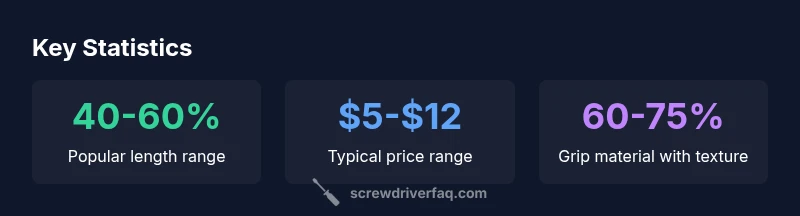
A screwdriver 150mm long is a mid-length hand tool that balances reach with control for everyday DIY tasks. It is long enough to reach recessed screws in cabinets, furniture frames, and appliance panels, yet short enough to keep torque predictable when working in tight spaces. For most homeowners, the 150mm size hits a sweet spot between the cramped feel of a 100mm blade and the reduced handling of a longer 200mm variant. According to Screwdriver FAQ, this length is the most versatile option for a broad range of tasks, from assembling flat-pack furniture to tightening fasteners on kitchen drawers. The 150mm blade typically pairs with a standard Phillips or flat-head tip, though many versions offer magnetized tips to help locate screws on cluttered work surfaces. When evaluating a screwdriver, consider your dominant tasks, the typical depth of your screw recesses, and whether you prefer a slightly heavier handle for added control. In practice, investing in at least one 150mm screwdriver is a prudent choice for a well-rounded toolkit.
Ergonomics and grip design that matter at 150mm
Ergonomics influence speed and accuracy. For a 150mm screwdriver, a contoured handle with a slightly bulbous palm area helps maintain alignment and reduce fatigue during longer tasks. Textured rubber or rubberized grip improves control when hands are oily or sweaty. The transition from handle to shaft should be smooth to avoid hot spots. Weight distribution matters: a balanced tool feels stable in the hand, enabling precise torque without wrist strain. The choice of tip profile (Phillips, flat, or pozidriv) should match the most common fasteners in your kit to minimize cam-out. In practice, many high-quality 150mm models blend a steel blade with a coated finish to resist corrosion, while magnetized tips assist in locating screws on busy work surfaces. If you frequently work overhead or in cramped spaces, test several grips in-store or with a trusted online guide before committing.
Blade materials and construction
Most mid-length screwdrivers use chrome-vanadium steel or similar alloys for the shaft and blade. Hardness ratings typically balance edge retention with ease of bending under torque. A hardened edge reduces cam-out, while a tempered neck absorbs impact. Quality tips are often heat-treated and indexed to reduce slippage. Some 150mm models feature magnetic tips or integrated magnet sleeves to hold bits, which can save time but may attract dust or magnets degrade over time. The finish should resist rust; chrome or black-oxide coatings offer moderate protection. Replaceable tips are a plus in long-term tool investment, but not all 150mm screwdrivers provide this feature. Finally, verify that the blade profile aligns with your primary screw types; a mixed set can cover a wide range of fasteners without swapping blades constantly.
150mm vs 100mm and 200mm: how length changes performance
Length affects leverage, reach, and precision. A 100mm screwdriver excels in tight corners and small fasteners but lacks reach, often forcing awkward wrists. A 150mm blade offers a compromise, enabling both control and mid-range reach for cabinetry, furniture assembly, and appliance panels. A 200mm variant extends reach into deep recesses or long screws, but the longer lever arm can reduce torque feel and increase slip risk in tight spaces. When selecting length, consider the majority of your tasks: if you frequently work in shallow desks or wall cavities, 150mm is typically ideal. For applications requiring extended reach, pair a 200mm tool with a shorter driver in your kit.
How to select a 150mm screwdriver by task
Begin by identifying your most common screws: Phillips, flat-head, or square drive. Choose a 150mm model with a comfortable grip and a robust tip. If you assemble flat-pack furniture, ensure the driver is magnetic to help align screws while you position panels. For electronics or cabinetry, consider a model with a finer tip and precise tolerances to minimize cam-out. A good 150mm screwdriver should feel balanced in your hand, with a grip that does not slip when you apply moderate torque. Check for a durable finish, rust resistance, and the availability of storage slots or bit adapters if you plan to keep multiple bits in one tool. Finally, compare prices across reputable brands and read user reviews to gauge real-world performance.
Magnetic bits and interchangeability
Magnetic tips save time by holding screws during setup and driving. Some 150mm models come with magnetic sleeves, while others use separate magnetic bits that can be swapped easily. Interchangeable tip systems expand versatility, especially if you work with multiple fastener types. When evaluating magnetic features, test the magnetic strength: it should hold the screw without being so strong that it is difficult to remove. Beware magnets that degrade with impact or heat exposure. Consider a set that includes a few common bit types (Phillips, flat, square) to maximize usefulness. Remember that magnets can attract metal shavings, so cleaning the shaft after use helps maintain performance.
Maintenance and care to extend life
Clean the blade after use to remove dust and metal shavings that can corrode the finish. Light lubrication on the pivot or adjustable grip can improve smooth operation, but avoid over-lubing near the tip to prevent dirt buildup. Store screwdrivers in a dry location to reduce rust risk, ideally in a tool chest or rack that keeps blades aligned. Periodically inspect for bent blades, damaged tips, or loose handles; replace any worn parts to avoid cam-out or accidents. If you own a 150mm screwdriver with a replaceable tip, rotate blades to distribute wear evenly. For magnets, test periodically to ensure they still hold screws securely, replacing the tip if magnetism fades.
Budget considerations and value for money
Not every project requires premium hardware, and a 150mm screwdriver is available across a broad price range. For casual DIYers, a mid-priced model often provides an excellent balance of grip comfort, tip quality, and durability. If you rely on your driver daily, investing in a model with a reinforced neck, corrosion-resistant coating, and replaceable tips can pay off over time. Budget-conscious buyers should look for widely supported tip sizes and guaranteed compatibility with standard bits. Compare warranties, read user feedback, and consider whether a magnetized tip or ergonomic handle adds tangible value for your use case. In the end, the most cost-effective choice depends on how frequently you use the tool and the environments in which you work.
Common mistakes and how to avoid them
Using a 150mm screwdriver for tasks that require shorter or longer tools can cause reduced control and fatigue. Striking screws with excessive force, especially in metal or hard plastics, can bend or twist the blade. Rushing through the job leads to cam-out and damaged screws, or stripped heads. Underestimating the importance of a good grip can cause slips; invest in a handle with a secure feel. Finally, neglecting maintenance—allowing rust or dirt to accumulate—shortens tool life and diminishes performance. By selecting the right length for the task, maintaining blades and tips, and cleaning after use, you can maximize the utility of your 150mm screwdriver.
Comparison of common screwdriver lengths
| Length | Typical Use | Notes |
|---|---|---|
| 100mm | Precision work | Limited torque |
| 150mm | General purpose | Balanced reach and control |
| 200mm | Long reach | Lower precision in tight spaces |
Quick Answers
What does 150mm mean in a screwdriver?
150mm refers to the blade length and overall tool size. It designates a mid-length driver that balances reach and control for general screwing tasks.
150mm is the mid-length option that balances reach and control.
When should I choose a 150mm screwdriver over a shorter one?
Choose 150mm when you need a balance between reach and maneuverability for cabinet work, furniture assembly, and appliances. It’s a versatile default in most DIY toolkits.
Go with 150mm for a good all-around balance.
Are magnetic tips worth it?
Magnetic tips help keep screws in place during alignment, saving time. They are especially useful for overhead work or cluttered surfaces.
Magnets are handy for keeping screws in place.
How should I maintain a 150mm screwdriver?
Wipe after use, avoid moisture, and store in a dry place. Lubricate moving parts lightly if needed and inspect tips for wear.
Keep it clean and dry, check the tip for wear.
Do there exist insulated 150mm screwdrivers?
Yes, some models offer insulated variants for electrical work. Verify insulation ratings and safety certifications before use.
Some are insulated—check ratings before using near live circuits.
“The 150mm length offers a practical middle ground that balances reach with control, which is why DIYers frequently select it for everyday tasks.”
The Essentials
- Choose 150mm for a versatile, general-purpose drive
- Prioritize a comfortable grip and a robust tip
- Consider magnetization only if you work with many loose screws
- Keep blades clean and rust-free for longevity