What to Do If a Screwdriver Is Too Big: Safe Fixes for DIYers
Worried your screwdriver is too big for the screw? This practical guide covers safe, step-by-step options to size, swap, or adapt without causing damage to fasteners or tools.


If you’re wondering what to do if screwdriver is too big, start by using a correctly sized driver or a precision bit. This guide covers safe alternatives (no-forceful forcing, minimal tool damage) and practical steps to fit the job. We’ll compare options, explain when to avoid risky hacks, and give you quick tests to verify fit.
The core issue: what to do if screwdriver is too big
When you reach for a screw and realize the head demands a smaller driver, you face a common DIY snag: what to do if screwdriver is too big. The mismatch can strip the screw, slip, or damage the tool. The fix isn’t to force another size into the screw but to correct your approach with safe, repeatable steps. According to Screwdriver FAQ, starting with the right size tool is the fastest path to a clean job. In this section we’ll lay out practical options that avoid hacks, explain when to skip risky tweaks, and show how to test fit before you turn a single screw. The premise remains simple: respect the screw head, the tool, and your own safety. If you learn to pick the proper size first, you’ll save time, frustration, and ruined fasteners. What you do next depends on what is available in your toolkit and how far you are willing to modify your approach.
Quick safety checks before swapping tools
Before you grab a different screwdriver, take a quick safety lap around the task. Inspect the screw head for wear or damage; a battered recess cannot properly engage a large or small tip. Confirm that the driver tip is straight and not bent, and ensure the screw is oriented correctly for driving rather than cross threading. Check your hand positioning and work surface; a slip can cause cuts or punctures. If the screw has already started to strip, stop and reassess rather than pressing harder. These checks reduce the risk of further damage and set you up for a clean fix when you switch tools. Remember, the goal is to do what is best for the fastener and the tool, not to complete the job at any cost.
Safe first options: swap or adapt with precise bits
Often the simplest solution is to swap to a correctly sized driver or a precision bit. If you have a micro Phillips or a straight blade that matches the screw head, try it first. Use a light touch and steady, straight-in alignment to prevent cam-out. If your current set lacks the exact size, look for a precision driver that matches the screw type (PH0/PH1, flathead micro, etc.). In many cases, a small change in bit type or size yields a clean seat without damaging the screw head. We discourage modifications that alter the bit beyond its intended purpose. This keeps your tools reliable for future jobs and minimizes the risk of stripping or slippage. If in doubt, switch to another driver rather than forcing a larger tip into a small screw.
How to choose the right screwdriver size and type
Choosing the right screwdriver starts with identifying the screw head. Phillips, slotted, Pozidrue, Torx, and others each require a matching tip. Start with a measuring method: compare the driver tip to the screw recess; the fit should be snug with no visible gaps. For small fasteners, use a precision set that includes micro sizes; for larger projects, a standard set with multiple sizes works best. If the screw head appears worn, consider replacing the screw rather than forcing misfit tools. Always verify that you are applying pressure straight to the screw, not at an angle, to minimize cam-out. The goal is a stable, proper engagement that prevents damage to both the screw and the driver.
Why not rely on hacks: risks of forcing a big screwdriver
This is where many do-it-yourselfers trip up. Forcing a larger tip into a smaller screw can strip the head, deform the recess, or slip, potentially injuring your hands. Some quick hacks like filing the tip or wrapping the head with tape are temporary and may lead to unpredictable results. The Screwdriver FAQ team recommends avoiding permanent modifications to tools for routine work. Relying on the wrong size undermines the work, creates more trouble later, and can undermine your confidence. Stick to proven approaches: swap tools, use a precision bit, or replace the screw if necessary. If the job demands a different tool, consider renting or borrowing the proper size.
Using adapters and alternatives: magnetic tips, micro screwdrivers, and precision bits
Adapters and micro drivers can bridge the gap when your standard screwdriver is too big for the task. A magnetized bit holder can help seat small screws and reduce slippage. A dedicated precision screwdriver set offers sizes that fit tiny Phillips and slotted screws without risk of stripping. For hard-to-reach screws, a long and slender precision bit with a comfortable handle can provide the control you need. When you use these options, maintain a firm, straight approach and minimize torque. Always test fit before applying full pressure.
How to handle stubborn fasteners without damage
Sometimes the fastener simply resists standard tools. In this case you should recheck alignment, clean the recess, and use lubrication like a tiny dab of graphite or a dry lubricant on threads (if threads show metal contact). If you still cannot get a bite with a properly sized driver, consider alternative entry points or the use of a screw extractor designed for damaged screws. Avoid prying or applying lateral force, which can twist the screw or ruin the component. Document the method used for future reference.
Step-by-step quick-check routine for fit
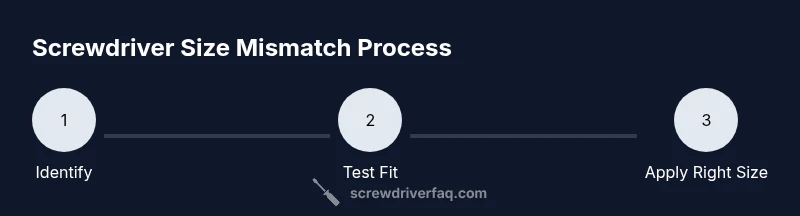
- Compare the tip to the screw recess and identify the closest matching size. 2) Try the smallest precise bit that could engage the head. 3) Align the bit straight with the screw axis and apply only light pressure to test engagement. 4) If the bit does not seat, stop and switch to a properly sized driver or a different technique. 5) Re-test on a spare screw to confirm the approach will work in real use. This routine reduces the risk of cam-out and damage to both screw and tool.
Maintenance to prevent future mismatches
Keep a well organized set of drivers with varied tip sizes and check them regularly for wear. Label your bits for quick identification and store them in a stable holder so you always pick the correct size. Periodically inspect screws before use, especially if you notice frequent cam-out or stripping. By maintaining your toolkit and choosing the right tool from the start, you minimize future mismatches and keep projects moving smoothly.
Quick-start checklist
- Identify screw type and required bit size.
- Gather a precision bit set and standard driver with multiple sizes.
- Inspect both screw head and driver tip for wear.
- Test fit on a spare screw before working on the real fastener.
- If misfit persists, replace the screw or borrow the proper driver.
Common mistakes to avoid
Avoid using a larger driver to force a fit, ignoring wear on the screw head, and failing to test fit before driving. Do not modify tools by filing or altering tips. Finally, never rush the process; patience saves fasteners and hands.
Verdict
When a screwdriver is too big for the screw, the best practice is to swap to a correctly sized driver or precision bit and avoid hacks. This approach reduces damage and increases success rates. The Screwdriver FAQ team recommends prioritizing proper sizing over risky tweaks, and keeping spare fasteners on hand for safe testing.
Tools & Materials
- Screwdriver set with multiple tip sizes(Include Phillips #0-2, flathead narrow sizes; ensure tips are straight)
- Precision screwdriver set(For micro screws; include PH0/PH1 and small flathead bits)
- Work surface with good lighting(Stable, clean area to prevent slips)
- Caliper or ruler(Helps verify tip-to-screw recess fit)
- Magnifying tool (optional)(For tiny screws and worn recesses)
- Safety glasses(Eye protection during handling)
- Isopropyl alcohol wipes(Clean screw recess and tip before testing)
- Tape (masking or electrical)(Temporary grip aid only; not a substitute for proper size)
Steps
Estimated time: 15-25 minutes
- 1
Identify mismatch and gather tools
Observe the screw head and compare with your available driver sizes. Collect a correctly sized driver or precision bit, plus basic safety gear. Confirm you have a stable work area to avoid accidents.
Tip: Use a caliper or visual gauge to compare tip vs recess precisely. - 2
Check screw head condition
Inspect the screw recess for wear or damage. A worn or rounded head will resist any driver, even if the size seems right. If the head is damaged, replacement may be easier than forcing a fix.
Tip: Use a magnifier for tiny screws to assess wear accurately. - 3
Try the smallest precise bit
If you have micro sizes, insert the smallest bit that can engage the head and test with light pressure. Do not apply full torque yet; the first contact should be clean and centered.
Tip: Keep the bit perpendicular to the screw axis to avoid cam-out. - 4
Switch to the correct screwdriver size
If the small bit works, move to a fully sized driver that matches the screw recess. Align straight and apply steady pressure in line with the screw.
Tip: Test fit on a spare screw to confirm engagement before working on the real one. - 5
Test fit and seat
Place the tip into the screw head and verify it seats flush with no wobble. If it darts or binds, stop and reassess the tool choice.
Tip: A flush seating prevents cam-out and rounded edges. - 6
Prepare the screw and tool for driving
Clean the recess and the tip with a dry cloth or alcohol wipe. Ensure no debris is present that could cause slippage.
Tip: Dry tools and screws improve grip and reduce slippage. - 7
Drive with controlled pressure
Apply minimal, steady torque with direct alignment. If you feel cam-out, stop rather than forcing the drive.
Tip: Maintain a firm grip and keep wrists aligned with the screw axis. - 8
If misfit persists, replace the screw
If the head remains stubborn or the recess is damaged, consider replacing the screw or using a new fastener of compatible size.
Tip: Document the screw type and size for future reference. - 9
Consider alternatives or professional help
When the job demands a different tool or specialty bit, borrow or rent the proper tool rather than forcing a workaround.
Tip: Using the right tool saves time and prevents damage. - 10
Inspect final result
Check the screw seating, head condition, and surrounding material. Ensure there is no collateral damage from previous attempts.
Tip: Take a quick photo for reference in case you need to redo it.
Quick Answers
What should I do first when I realize the screwdriver is too big for the screw?
Stop and assess the screw head and the driver size. Gather a correctly sized driver or precision bit, and test fit on a spare screw before proceeding.
First stop, assess the mismatch and gather the right tools, then test on a spare screw.
Can I modify the screwdriver tip to make it fit?
Modifying the tip, such as filing or grinding, is not recommended. It can weaken the tool and worsen damage to the screw head.
No, avoid modifying the tip; use proper size tools instead.
What if I don’t have a precision set?
Look for a smaller standard driver within your existing set or borrow a precision set. If none is available, try to replace the screw with one matching your tool’s size.
If you lack precision tools, borrow or replace the screw with one that fits your tool.
Is it safe to wrap the screw head with tape to gain grip?
Tape can be a temporary aid, but it is not a reliable long-term solution and can introduce slipping. Use it only as a last resort and switch to proper sizing as soon as possible.
Tape is a temporary fix at best; switch to the right size as soon as you can.
How can I prevent this problem in the future?
Keep a well-organized set of screwdrivers with clearly labeled sizes, inspect screws before use, and always verify the tool matches the screw head before starting.
Organize tools, label sizes, and verify fit before starting work.
When should I consider professional help?
If you’re dealing with large projects or critical components where damage is unacceptable, consult a professional or rent the correct tool.
If in doubt, consult a pro or borrow the correct tool for the job.
Watch Video
The Essentials
- Start with the correct size tool to avoid damage.
- Test fit on a spare screw before driving the real one.
- Prefer safe options like precision bits over hacks.
- Replace damaged screws rather than forcing a tool.
- Maintain a tidy, well-lit workspace to prevent slips.