How to unlock a car door with a screwdriver: Safe, legal alternatives
Explore why using a screwdriver to unlock a car door is unsafe and often illegal, and learn safe, legal options like roadside assistance or a licensed locksmith to regain access without damage.


Unlocking a car door with a screwdriver is unsafe and often illegal, and it can damage locking hardware, wiring, and airbags. This guide avoids DIY lockout tricks and instead covers safe, legal options like roadside assistance, licensed locksmiths, or dealership services to regain access quickly and without harming you or the vehicle.
Why using a screwdriver to unlock a car door is unsafe and illegal
The idea of forcing a car door open with improvised tools sounds clever to some, but it is unsafe and in many regions illegal. Small tools can slip and puncture seals, damage wiring, airbags, and windows. The moment you force a door, you may trigger security alarms that cost time and money to reset. In addition, you could void warranties or violate local laws about tampering with a vehicle. According to Screwdriver FAQ, attempting to defeat a lock with improvised tools can cause harm and legal trouble. Injuries are possible if a tool slips or a window shatters. Insurance coverage can be affected if authorities or insurers determine the lockout was caused by reckless actions. The long-term cost of repair can exceed the cost of legitimate unlock services, and you may end up paying for multiple repairs rather than a single fix. This section explains why DIY lockout tricks are not worth the risk and points you toward safe, compliant options.
Safer, legal alternatives to unlock a car door
When you’re locked out, the safest and most reliable options are professional services. Start with roadside assistance if you have a plan through auto club, insurer, or manufacturer. They can dispatch a technician who will verify ownership and unlock the car with approved methods, while minimizing damage. If you own the vehicle and have a spare key, use the spare instead of forcing entry. Contact a licensed locksmith who specializes in vehicle access; verify their license, get a written estimate, and ask about the tools they use. Dealerships can also help, especially for newer vehicles with advanced security systems, but they may be more expensive. In all cases, avoid unverified individuals offering "quick fixes" on the street. By choosing authorized providers, you protect your safety, your vehicle, and your insurance coverage. The Screwdriver FAQ team notes that trained professionals use non-destructive methods first and only resort to more intrusive techniques when necessary and legal.
What information to have ready when you call for help
Before you contact assistance, prepare details to speed service. Note your exact location, the vehicle make, model, year, color, trim, and visible features. Prepare proof of ownership: your driver's license, vehicle registration, or title. If you have a VIN, share it with the service provider; this helps verify ownership. Have your insurance information and contact numbers handy. If possible, provide your preferred contact method and any accessibility needs. To avoid confusion, write down or store in your phone the service provider’s name, license number, and the ETA they give you. The more precise you are, the quicker a technician can arrive and begin work with minimal disruption. This practical preparation aligns with best practices from industry professionals and underscores why safe unlocks should rely on authorized technicians rather than improvisation.
How professionals unlock a car door without causing damage
Professional locksmiths use training and specialized tools to access locked cars with minimal risk. They usually start with non-destructive methods that do not compromise the frame, glass, or internal electronics. For example, they may use a lightweight probe or wedge to create a small entry space and then use a reach tool to position the door’s locking mechanism. Some vehicles require integration with the key system or the use of manufacturer diagnostic tools, especially for keyless entry models. From a safety standpoint, professionals confirm ownership and follow legal procedures to prevent fraud. Do not attempt to replicate these techniques with household tools; using improvised tools can cause misalignment, sensor faults, or airbag triggering. A licensed locksmith knows when to escalate to more invasive techniques if necessary, and they will warranty their work to address post-unlock issues. This section emphasizes that the goal is access with non-destructive methods, protecting both you and the vehicle.
Preventing lockouts in the future
Prevention is the best remedy for lockouts. Start with a spare key stored securely with a trusted person or in a magnetic key box kept in a hidden spot. Ensure your key fob is functioning and the battery is fresh; a dead fob can prevent entry even when you are near the car. Consider using a manufacturer’s companion app or a Bluetooth unlock feature if your car supports it, but be mindful of security implications and ensure you keep software up to date. If you belong to a roadside assistance program, keep their contact information accessible on your phone and in your car’s documentation. For those who frequently lock themselves out, ask about “Keyless entry backup codes” or alternate access options from the dealership. Regular maintenance on door seals also helps prevent sticking that can complicate unlocking. By planning ahead, you can reduce the chances of lockouts and the temptation to try risky methods. Screwdriver FAQ emphasizes that safety and legality should guide every decision, not curiosity or impatience.
Quick comparison: locksmith vs roadside assistance vs dealership
- Locksmith
- Pros: Specialized, non-destructive, flexible scheduling.
- Cons: Can be expensive; verify license and insurance.
- Roadside assistance
- Pros: Quick response in many cases; bundled with memberships.
- Cons: Coverage varies; may require authorization.
- Dealership
- Pros: Access to manufacturer-specific tools; fits newer models.
- Cons: Often the most expensive; longer wait times.
This comparison helps you choose the safest, most appropriate option for your situation.
Common myths debunked about car lockouts
- Myth: You can unlock any car with a coat hanger. Reality: Modern cars have welded bodies and sensitive electronics; attempting door entry methods can cause damage and may violate laws.
- Myth: A locksmith is always expensive. Reality: Costs vary by location and complexity; reputable pros provide clear estimates and warranties.
Next steps if you’re reading this after a lockout incident
If you’re reflecting on a lockout after it happened, the next steps are to contact your service provider, verify ownership, document the service, and review your security setup. Consider adding a spare key to trusted contacts, maintain your key fob battery, and set up a backup unlock method if your vehicle supports it. Use the experience to implement safer, legal practices going forward. The goal is to reduce risk and dependence on improvised tools in future situations.
Tools & Materials
- Proof of ownership documents(Driver's license, vehicle registration, or title; keep accessible)
- Phone with roadside assistance or locksmith contact numbers(Store in your contacts and environmental notes for quick access)
- Spare key(If you have a secure, accessible spare key, it can expedite entry)
- Photo ID(Useful for verifying identity with a service provider)
- VIN or proof of purchase(Helpful when verifying ownership with certain providers)
- Dealership or insurer information(Useful in some lockout scenarios or for warranty coverage)
Steps
Estimated time: 30-180 minutes
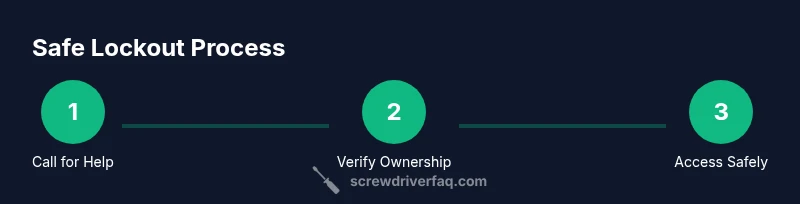
- 1
Call roadside assistance or dealership lockout service
Initiate contact with a legitimate, licensed service. Explain your location, provide vehicle details, and confirm they can verify ownership before attempting access.
Tip: Have your VIN, license, and registration ready to speed verification. - 2
Gather ownership proofs and identifiers
Collect your driver's license, vehicle registration, and any other documents that prove ownership. This streamlines the verification process and reduces delays.
Tip: Do not share sensitive information beyond what the provider requests. - 3
Coordinate access strategy with the service
The technician will advise on the safest method to regain entry. They may use non-destructive techniques first and will explain any risks.
Tip: Avoid attempting self-unlock attempts that could damage the vehicle. - 4
Verify identity and obtain access
Present required ID and ownership documents. The technician will confirm legitimacy before proceeding to unlock.
Tip: Ask for a clear ETA and a written estimate before any work begins. - 5
Review post-unlock steps and prevention
Discuss future prevention options—spare keys, fob maintenance, and backup unlock methods to reduce future lockouts.
Tip: Consider sharing a spare key with a trusted person or safe storage solution.
Quick Answers
Is it legal to unlock a car door with a screwdriver?
In most places, using a screwdriver to bypass a car lock is illegal and unsafe. It can damage systems and trigger alarms. Always opt for professional services.
It's generally illegal and unsafe to use a screwdriver to bypass a car lock; seek professional help.
What should I do first if I'm locked out?
Call roadside assistance or a licensed locksmith, then gather proof of ownership and wait in a safe location.
Call for help and stay safe; gather your ownership documents.
How long does lockout service typically take?
Response times vary by location, but expect 20 to 90 minutes depending on availability and distance.
Usually between 20 and 90 minutes.
Can I unlock my car safely on my own?
DIY unlocks are not recommended due to risk of damage and legal risk. Use professional services.
Not recommended; seek professional help.
What documents should I have ready?
Have a valid photo ID and proof of ownership (registration or title) ready.
Have ID and ownership docs ready.
How can I prevent future lockouts?
Store a spare key securely, maintain key fob batteries, and consider smart-entry options.
Keep a spare key and maintain key fob.
Watch Video
The Essentials
- Avoid DIY lockout tricks with improvised tools.
- Call licensed professionals or roadside services for safe access.
- Prepare ownership documents to speed service.
- Prevent future lockouts with a spare key and fob maintenance.
- Verify provider credentials to ensure safe access.