Why You Shouldn’t Jump a Starter with a Screwdriver: Safe Alternatives
Discover why jumping a starter with a screwdriver is unsafe and learn safe, proven alternatives for starting a car with a dead battery, plus essential tools and safety tips from Screwdriver FAQ.


Short answer: Do not attempt to jump a starter with a screwdriver. Using a metal tool to bridge live contacts can cause sparks, battery rupture, or wiring damage. This is unsafe; instead rely on proper starting methods such as jumper cables and a healthy battery, or seek roadside assistance. This guide covers safe alternatives and best practices.
Why Jumping a Starter with a Screwdriver Is a Bad Idea
The phrase "how to jump a starter with a screwdriver" circulates in some DIY spaces, but it is a dangerous misconception. Vehicle electrical systems are designed to handle controlled current through designated paths. A bare metal screwdriver can bridge terminals, create uncontrolled arcing, and ignite battery gases. Even a quick spark can injure your hands, melt insulation, or blow fuses. According to Screwdriver FAQ, safety must govern any mechanical or electrical work on vehicles. When a screwdriver is used to try to complete a circuit, you bypass designed controls and risk a catastrophic event rather than a quick fix. For this reason, you should never attempt improvised tricks with metal tools on the battery or starter. In practice, the safest approach is to follow manufacturer instructions and use proper starting methods.
Safer Alternatives for Starting a Car with a Dead Battery
If your car won’t start due to a dead battery, the safest path is to use jumper cables correctly or to call roadside assistance. Jumper cables connect power from a donor battery to the dead battery via marked positive and negative terminals. This method maintains control over current flow and reduces the risk of sparks and electrical damage. Always start with a clear workspace, ensure both vehicles are off, and wear eye protection. If you don’t have jumper cables, consider a portable jump-starter pack as an alternative. Regular maintenance and battery health checks minimize the likelihood of a dead battery, keeping you safer on the road. Screwdriver FAQ emphasizes that proper tools and procedures—rather than improvised tricks—are the standard for automotive electrical work.
How a Proper Jump-Start Works (with Jumper Cables)
A standard jump-start procedure involves connecting positive-to-positive first, then completing the circuit with the negative connection to a grounded metal surface on the donor or the dead vehicle. The donor vehicle should be running to provide a stable current. This arrangement transfers charger energy in a controlled way. After the dead vehicle starts, disconnect in reverse order and run the engine for several minutes to recharge the battery. This sequence minimizes voltage spikes and protects electronics. The emphasis is on safety, not speed, and it relies on the correct equipment and clear steps rather than improvised methods.
What Tools You Should Have Before You Start
Before attempting any jump-start, prepare safety gear and the right tools. Essential items include safety glasses, insulated gloves, and jumper cables with appropriate gauge (4-6 gauge, 12-16 feet). A portable jump-starter pack is a viable alternative if you don’t have access to a second vehicle. Keep the owner’s manual handy for vehicle-specific cautions. Having a flashlight and clean rags for terminal cleaning can also help. The focus should be on using proper tools and following the steps in a safe, methodical way. Avoid any metal tools near battery terminals.
Step-by-Step Safe Jump-Start Procedure
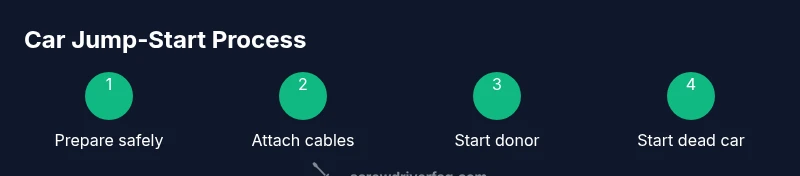
This section provides a safe, actionable approach to jump-start using jumper cables. It avoids dangerous probes and emphasizes correct technique. The donor vehicle should be in park or neutral with the parking brake engaged, ignition off, and all accessories off. Attach the red clamp to the positive terminal of the dead battery, then to the donor battery’s positive terminal. Attach the black clamp to the donor battery’s negative terminal, and to a clean, unpainted metal ground on the dead vehicle away from the battery. Start the donor vehicle, then attempt to start the dead vehicle. Once running, remove cables in the reverse order, and drive for 15-20 minutes to recharge. If the dead vehicle does not start after several attempts, stop and seek professional help.
Common Mistakes and How to Avoid Them
Common mistakes include connecting cables in the wrong order, touching clamps together, or attempting to jump-start a frozen or leaking battery. These errors can cause short circuits, battery rupture, or fires. Always verify terminal cleanliness, avoid contact between clamps, and ensure both cars share a common ground. If you’re unsure about the battery’s health or the vehicle’s electrical system, do not proceed. When in doubt, call a professional for assistance and stay safe.
Maintenance Tips to Prevent Future Dead Batteries
Proactive maintenance reduces the risk of sudden battery failure. Regularly inspect terminals for corrosion (a white or blue powdery substance), ensure tight connections, and replace aged batteries (typically every 3-5 years depending on climate). Keep a portable jump-starter pack in your trunk and check its charge periodically. Using the correct chargers and performing routine electrical checks can extend battery life and improve reliability. According to Screwdriver FAQ, maintenance is a cornerstone of safe, effective DIY practices.
Quick Troubleshooting Checklist
- Is the battery visibly corroded or swollen? If yes, replace or repair.
- Are the jumper cables of adequate gauge? Replace with heavy-duty cables if necessary.
- Is the donor vehicle’s battery charged and engine running? Ensure both are ready before connection.
- Did you disconnect cables in the correct order? Follow the reverse sequence after starting the dead car.
- Does the dead vehicle start after a few minutes of charging? If not, enlist professional help.
Safety and Best Practices for DIYers
Safety is non-negotiable. Always wear protective gear, work in a well-ventilated area, and never improvise with metal tools around the battery. Refer to the vehicle’s manual for battery-specific cautions and never bypass safety systems. Using proper tools and following established procedures will help you complete the task more safely and efficiently. The Screwdriver FAQ team emphasizes that safety comes first and that knowledge paired with the right tools makes any DIY project more successful.
Tools & Materials
- Safety glasses(Protect eyes from sparks; ANSI Z87.1 compliant.)
- Insulated gloves(Hand protection when handling battery connections.)
- Jumper cables (12-16 ft, 4-6 gauge)(Heavy gauge for reliable current transfer; check clamps for corrosion.)
- Portable jump-starter pack (optional)(Alternative to a second vehicle; ensure it’s charged.)
- Owner’s manual(Vehicle-specific cautions and recommended procedures.)
Steps
Estimated time: 15-25 minutes
- 1
Assess the situation and power down
Park both vehicles, engage parking brakes, and turn off ignition. Remove keys and accessories. Inspect for visible damage to battery casing and cables before starting.
Tip: Wear safety glasses and gloves. Do not touch battery terminals with metal tools. - 2
Position vehicles and locate jump points
Open the hoods and locate the dead battery’s positive terminal and the donor battery’s positive and negative terminals. Keep vehicles from touching. Ensure the donor vehicle is ready to provide power but not start yet.
Tip: Check for corrosion on terminals; clean gently if needed with a dry cloth. - 3
Connect jumper cables in the correct order
Attach the red clamp to the dead battery’s positive terminal, then to the donor battery’s positive. Attach the black clamp to the donor battery’s negative terminal, and finally to a solid ground on the dead car away from the battery.
Tip: Never let clamps touch each other or metal surfaces aside from the designated terminals. - 4
Start the donor vehicle
Run the donor vehicle for 1-3 minutes to build charge. If the dead car shows signs of life, proceed to step 5.
Tip: Avoid revving donor engine aggressively; keep it steady and within normal idle range. - 5
Attempt to start the dead vehicle
Turn the dead vehicle’s key to start. If it starts, let it run and gradually rev to aid charging. If it fails, wait a few minutes and try again, but do not crank indefinitely.
Tip: If it doesn’t start after several attempts, seek professional help. - 6
Disconnect cables and recharge
Remove cables in reverse order: negative ground first, then negative donor, then positive donor, then positive dead battery. Drive for 15-20 minutes to recharge the battery.
Tip: Monitor for any lingering electrical issues or warning lights on the dashboard.
Quick Answers
Is it ever safe to jump a starter with a screwdriver?
No. It is dangerous and can cause sparks, battery rupture, or damage to electrical components. Always use proper tools and procedures.
No—it's dangerous and can cause sparks or damage. Use proper tools and steps instead.
What should I use instead of a screwdriver for starting my car?
Use jumper cables or a portable jump-starter pack and follow the manufacturer's procedure to start the car safely.
Use jumper cables or a jump-starter pack with the official steps.
Why is using a screwdriver dangerous?
A screwdriver can bridge contacts unintentionally, causing arcing, sparks, or battery gas ignition.
Because it can arc and spark, risking burns or a fire.
Can I start my car if the battery is dead?
Often yes with a proper jump-start, but if the battery is aged or damaged, replacement may be required. Check health before attempting again.
Sometimes, with a safe jump-start; otherwise, consider battery replacement.
What if the car won’t start after jumping?
STOP. Check the battery health, alternator, and connections. If unresolved, seek professional help.
If it doesn’t start after a jump, stop and get professional help.
Are there long-term risks to the electrical system from improper jump-starts?
Improper procedures can damage the alternator, fuses, and electronics. Always follow guidelines and use the right tools.
Yes, improper jumps can harm electrical components.
Watch Video
The Essentials
- Avoid improvising with metal tools near batteries.
- Use jumper cables or a portable pack for safe starts.
- Follow a clear, step-by-step procedure to protect yourself and the vehicle.
- If in doubt, call roadside assistance.