Power Screwdrivers at Home Depot: A Comprehensive DIY Guide
Explore buying considerations, features, battery life, and safety tips for selecting a power screwdriver at Home Depot. This guide from Screwdriver FAQ helps DIYers compare models and find the best cordless option for common home projects.


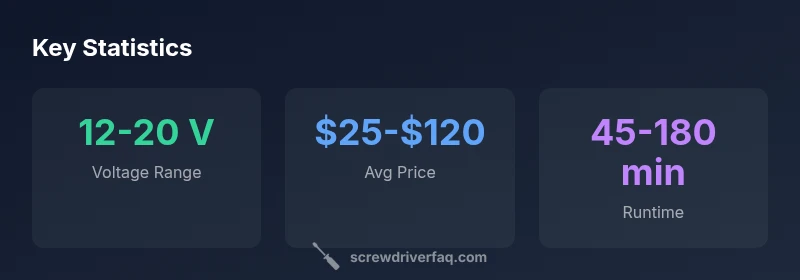
Cordless power screwdrivers at Home Depot typically range from 12 to 20 volts, balancing torque, weight, and runtime for most DIY tasks. This quick answer highlights key buying considerations and how to compare models, with practical tips from Screwdriver FAQ. Expect a mix of budget-friendly and feature-rich options suitable for beginners and hobbyists.
Why Power Screwdrivers Matter for DIY Projects
Power screwdrivers fill a critical niche for quick assembly tasks, cabinet upgrades, and basic furniture projects around the home. They strike a balance between the precision of manual screwdriving and the speed of a drill, making them a staple in many DIY tool kits. According to Screwdriver FAQ, Home Depot shoppers often start with a cordless, mid-range model that offers dependable torque without unnecessary weight. In practice, this means prioritizing models that feel comfortable in hand, have a reliable grip, and offer a straightforward change of bits for different fasteners.
Key Features to Compare at Home Depot
When shopping, look for a few core features that move the needle on performance and value:
- Voltage and torque range: Most home tasks are well-served by 12–18V models with adjustable torque.
- Chuck size and bit compatibility: A 1/4 inch chuck handles most common bits; ensure you can easily swap bits with one hand.
- Battery type and life: Li-ion packs provide better energy density and longer shelf-life than NiMH; check a model’s runtime in realistic tasks.
- Ergonomics and weight: A balanced tool reduces fatigue during longer sessions; test grip texture and trigger feel in-store.
- Speed settings and reversibility: Variable speed helps with delicate screws; reverse is essential for loosening.
- LED work light and belt hook: Small features that improve usability in tight spaces.
Screwdriver FAQ notes that Home Depot often stocks a mix of consumer-friendly and more capable models, allowing buyers to tailor choice to their project list. For beginners, a lighter 12–18V model with adjustable torque is a reliable start. For ongoing projects, consider mid-range options with longer runtime and sturdier construction.
Battery Technology and Runtime
Battery chemistry is a quiet differentiator among power screwdrivers. Li-ion batteries typically provide higher energy density and longer cycles, translating to longer overall life between charges and less memory effect. In practical terms, a 12–18V Li-ion unit can comfortably handle many consumer tasks without requiring frequent recharging. Look for tools that advertise a realistic runtime for the type of work you do—screwing into pine versus hardwood will draw different amounts of current. When you buy at Home Depot, compare included batteries, charge times, and whether the tool supports fast charging. Screwdriver FAQ emphasizes choosing a higher-quality battery pack even if the upfront cost is slightly higher, as replacements over time can significantly affect total ownership cost.
How to Use and Maintain a Power Screwdriver
Begin with a proper bit selection and secure bit retention. Use the lowest effective torque setting to drive screws without stripping the head. Keep the chuck clean and free of debris; a quick wipe after use helps maintain performance. Regularly charge the battery according to the manufacturer’s guidelines, but avoid leaving a fully drained pack at rest for extended periods. If your tool offers a battery inspection indicator, use it to monitor health over time. Store spare bits in a protective case to prevent wear and ensure consistent performance. Finally, clean the tool housing and vents to prevent dust buildup, especially after projects that involve wood particles or drywall.
Budget vs Performance: Finding Value at Home Depot
Home Depot’s assortment typically ranges from budget 12–18V tools to mid-range options that balance runtime and torque. If your projects include assembling furniture, hanging shelves, or minor remodeling, a mid-range model often delivers the best value, with sufficient torque, decent runtime, and ergonomic design. For occasional tasks, a compact budget model can manage light screwing tasks effectively, but you may encounter shorter run times and less durable triggers. When evaluating value, consider warranty terms, availability of replacement batteries, and the retailer’s return policy. The Screwdriver FAQ team recommends pairing a power screwdriver with a small set of magnetic, high-quality bits to improve efficiency and reduce bit wear over time.
Cordless power screwdriver categories
| Model Type | Voltage | Best For |
|---|---|---|
| Budget Cordless | 12-18V | Lightweight tasks and quick assemblies |
| Mid-Range Cordless | 18-20V | Medium-duty projects and longer sessions |
| Pro-Grade Cordless | 20V+ | High-torque tasks and frequent use |
Quick Answers
What voltage is best for most home projects?
For typical home projects, a 12–18V model provides enough torque and compactness for screws without overburdening the user. Higher voltages are useful for heavy-duty tasks but may be overkill for casual use.
For most home projects, a 12 to 18-volt model is the sweet spot.
Are cordless power screwdrivers safer for beginners?
Yes. With proper PPE, steady hands, and following the manual, cordless screwdrivers reduce effort and improve precision for beginners. Start with low torque and learn bit control first.
Yes—start slow, use eye protection, and practice with low torque.
Should I buy a separate drill instead of a power screwdriver?
A power screwdriver is optimized for driving screws and is compact for tight spaces. A drill handles holes and larger fasteners. If you need both capabilities, consider a combo kit with a drill/driver.
Drill is for holes; screwdriver is for driving screws. A combo kit can cover both tasks.
What maintenance is needed for battery-powered screwdrivers?
Regularly charge according to the manual, clean the chuck, and inspect bits for wear. Replace batteries when run-time noticeably declines. Store tools in a dry place to prolong battery life.
Keep it charged, clean the chuck, and replace worn batteries as needed.
Is Home Depot a good place to buy a power screwdriver?
Yes. Home Depot offers a range of models, in-store advice, and easy returns, which helps beginners compare options side-by-side before buying.
Yes—great for in-store comparisons and accessible returns.
What’s the best way to start building a bit set for a power screwdriver?
Begin with a compact magnetic bit set that includes Phillips, slotted, and Torx bits. Add specialty bits as you take on more tasks. Proper storage helps prevent loss.
Start with a basic magnetic bit set and expand as needed.
“Torque, battery chemistry, and ergonomics must be balanced for real-world results. The right model is one you can use comfortably for longer sessions.”
The Essentials
- Assess voltage range to match task complexity
- Compare torque and adjustable speed for control
- Prioritize Li-ion batteries for longer life
- Pick a comfortable, balanced tool for extended use
- Check warranties and battery availability