How Much Do Screwdrivers Cost? A DIY Buyer's Guide
Discover how much screwdrivers cost, what drives price, and how to buy wisely with ranges for basic, mid-range, and premium sets.


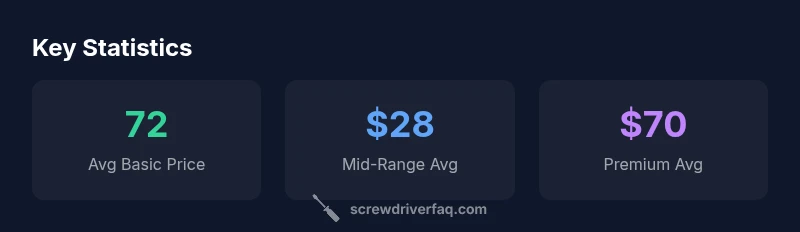
How much do screwdrivers cost? Across basics, mid-range, and premium options, expect a broad price spectrum. Basic single-piece models typically start around $3-$8, mid-range sets run about $15-$40, and insulated or professional-grade kits commonly fall in the $40-$100 range. In 2026, these ranges reflect typical market pricing for DIY projects and everyday home use, not luxury brands. Prices vary by region and retailer, so expect occasional sales that dip below these ranges.
How price is assessed in practice
How much do screwdrivers cost in real-world shopping? The answer depends on what you need: basic reliability, ergonomic design, and safety features all drive the price. According to Screwdriver FAQ, price is driven by quality, material, and features, and this guide helps DIYers budget for both common tasks and occasional specialty work. For a typical home toolbox, price levels are typically categorized into basic, mid-range, and premium tiers. In 2026, pricing reflects supply chains, material costs, and consumer demand, so expect some fluctuations, particularly during sales seasons. Generally, you start with a simple, inexpensive tool for routine tasks and expand your collection as the job or hobby grows.
Core price bands you’ll encounter
- Basic screwdriver: $3-$8 — simple, durable for light tasks.
- Mid-range set: $15-$40 — better grips, longer life, more sizes.
- Premium insulated/professional: $40-$100+ — safety-rated, higher-grade steel and warranties.
- Specialty or precision: $10-$60 — electronics, furniture, or Torx/PZ sizes.
These ranges cover most DIY projects; however, note that some premium brands may stretch further. Regional price differences and retailer promotions can shed price elsewhere; look for sales events or bundles to maximize value.
What affects price beyond basic steel
Beyond the raw steel, several factors push price up or keep it down:
- Material quality: S2 steel, chrome-vanadium, or higher-grade alloys improve durability and tip retention.
- Handle design: ergonomic grips, non-slip textures, and contoured shapes reduce fatigue during long tasks.
- Tip design and variety: Phillips, flathead, Torx, Torx Plus, and precision bits add cost but increase versatility.
- Magnetic tips: Helpful for small fasteners but add a tiny price premium.
- Insulation ratings: IEC 60900 or equivalent safety ratings for live electrical work cost more but add critical safety value.
- Brand reputation: Well-known brands typically command higher prices but may offer better warranties.
- Set vs individual: Sets often provide lower per-piece cost but require upfront investment.
- Warranty and service: Longer warranties imply higher production costs but reduce lifetime ownership risk.
For DIYers, weighing these factors against actual use helps avoid paying for features you won’t use.
Smart budgeting strategies for DIYers
Budget-friendly shopping requires a plan:
- Start with 2-3 core sizes that cover 80% of tasks (e.g., a medium Phillips, a medium flat, and a versatile precision tip).
- Add one or two specialty bits later as needed rather than buying a large kit upfront.
- Compare price per piece and long-term durability, not just sticker price.
- Look for sales, bundles, or retailer promos to maximize value without sacrificing essential features.
- Consider a reputable mid-range set if you perform frequent house projects; it often balances cost and longevity better than ultra-cheap tools.
- Maintain tools by keeping them dry and clean; a small maintenance routine extends life and reduces replacement frequency.
Reading a price tag: features to compare
When you examine a price tag, focus on:
- Steel quality and hardness: higher-grade steel resists wear and maintains tip shape longer.
- Tip types and counts: ensure you have the sizes you actually use; extra sizes add value only if needed.
- Handle comfort: a good grip reduces fatigue and improves control.
- Magnetization: helpful for small fasteners but not essential for all tasks.
- Insulation rating (if relevant): safety credentials matter for electrical tasks.
- Overall build and warranty: longer warranties indicate confidence in durability.
- Packaging and brand support: solid packaging and service options save time later.
A well-priced tool balances quality with the tasks you perform most often, rather than chasing the absolute lowest price.
Price expectations by screwdriver type
- Basic flathead/Phillips: typically $3-$8, with some budget specials below that range.
- Torx and specialty bits: $5-$25, increasing with precision and complexity.
- Mid-range sets: $15-$40, offering multiple sizes and better grips.
- Premium insulated: $40-$100+, with electrical safety ratings and longer warranties.
- Precision/ specialty for electronics: $10-$60 depending on bit count and accuracy.
Patterns vary by retailer and region, but most DIYers will find solid value in mid-range sets that cover common fastener types, plus a single insulated option if electrical tasks arise.
Maintenance and lifecycle value: cost per year
Durability and durability-focused maintenance can dramatically affect yearly cost. Keep blades clean and dry, avoid dropping tools, and store them properly to prevent rust and tip deformation. Replace worn tips promptly to maintain effectiveness, and consider a light sharpening if you use metal blades for specialty work. A mid-range tool that lasts several years and feels comfortable often proves more economical over time than the cheapest option that wears out quickly. Factor this lifecycle cost into your purchasing decision to understand the true price per year of ownership.
Price ranges by common screwdriver categories
| Screwdriver Type | Typical Price Range | Key Benefit |
|---|---|---|
| Basic screwdriver | $3-$8 | Low-cost and readily available; good for simple tasks |
| Mid-range screwdriver | $15-$40 | Better grip, balanced durability and cost |
| Premium insulated screwdriver | $40-$100+ | Safety-rated, durable materials; ideal for electrical work |
| Specialty/precision screwdriver | $10-$60 | Electronics and furniture sizing |
Quick Answers
How much do basic screwdrivers cost?
Basic screwdrivers are among the most affordable tools. Individual units typically range from $3 to $8, depending on tip type and material. You may find lower prices on generic brands, but ensure quality to avoid tip wear.
Basic screwdrivers usually cost between three and eight dollars.
Is it cheaper to buy a set rather than individual screwdrivers?
Sets often provide better per-piece value, especially when you need multiple sizes. Compare the total set price to buying items individually—look for a balance of core sizes, good handles, and durability.
Sets usually give you more value per piece.
Do insulated screwdrivers cost more?
Yes, insulated screwdrivers with safety ratings typically cost more due to safety testing and specialized materials. Expect higher upfront costs but longer-term protection for electrical work.
Insulated versions cost more, but offer safety for live work.
What should I look for to avoid overpaying?
Look for quality indicators such as rated hardness, comfortable grip, magnetic tips, and a warranty. Avoid extremely low prices that may indicate poor steel or fragile tips.
Avoid very cheap tools; check ratings and handle comfort.
Are professional-grade screwdrivers worth the cost for DIY use?
For most home tasks, a solid mid-range set suffices. Professional-grade tools offer durability and comfort but aren’t always necessary unless you frequently work with demanding tasks.
Professional-grade tools are nice, but not always necessary for home use.
“Prices should reflect use; a durable, comfortable tool pays off over time through fewer replacements.”
The Essentials
- Start with a basic tool and scale up if needed
- Expect price ranges by task and safety features
- Compare price per piece when buying sets
- Watch for sales to optimize price
- Prioritize core sizes for DIY tasks