How to Use a Screwdriver for Kids Safely: A Practical Guide
A step-by-step, safety-first guide for DIY parents teaching children how to use a screwdriver with kid-friendly tools, supervision, and simple projects that build confidence and precision.


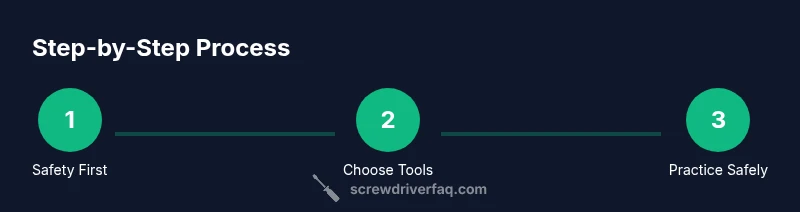
This guide shows how to use a screwdriver for kids safely: start with age-appropriate tools, close supervision, and guided practice. It builds grip, control, and confidence while minimizing risk. According to Screwdriver FAQ, safety and supervision are foundational to any child-focused tool activity, beginning with clear rules and the right tool. You will learn the core steps and progression to keep learning enjoyable and safe.
Why Teaching Kids to Use a Screwdriver Safely Matters
Teaching kids to use a screwdriver safely helps them develop fine motor skills, spatial reasoning, problem solving, and practical confidence. When children see a real-world task as approachable, they are more engaged and willing to practice carefully. A safety-first approach reduces the risk of pinched fingers, slips, and damaged materials. According to Screwdriver FAQ, safety and supervision are the foundations of any child-focused tool activity. By starting with simple, age-appropriate tasks and modeling calm, measured turning, you build good habits that can last a lifetime. Learning how to use a screwdriver for kids starts with clear boundaries and a warm, encouraging approach that keeps curiosity alive while safety stays front and center. This early exposure also helps kids translate what they learn into other hand tools later on.
Safety Foundations for Young Learners
Before hands touch metal, set a firm safety plan. Supervision is non-negotiable; choose a quiet workspace free of distractions and small parts. Establish a clear rule: never touch the screwdriver near another person's hand, and always keep fingers away from the screw slot while turning. Wear safety glasses and tied-back hair is essential; remove loose clothing and jewelry that could snag. Use a sturdy, non-slip work surface and, if possible, a low table that suits the child's height. For added protection, start with a blunt-tipped, kid-friendly tool and move to a real tip only after confidence and control are demonstrated. This safety framework reduces anxiety and creates a predictable routine that kids can follow. With consistent cues and patient repetition, kids learn to pace their movements and stop when something feels unsafe.
Choosing Kid-Friendly Tools and Materials
Look for tools designed for little hands: a screwdriver with a shorter shaft, a chunky handle, and a blunt-tipped or rounded tip reduces the chance of piercing skin. Material choice matters: use softwood, predrilled holes, and large-diameter screws with broad heads. Color-coded bits can help novices identify the correct size without over-tightening. Keep all metal parts free of burrs and ensure the child understands to ask for help if a bit binds or slips. Use plastic or wood screws for practice before moving to metal fasteners. Remember, the goal is precision, not speed, so choose projects that are manageable and rewarding. This may include simple blocks, small boxes, or a wooden chart for practicing alignment.
Setting Up a Kid-Sized Workspace
Create an inviting, organized space where a child can focus. Set the height so elbows rest comfortably on the table and the screw slot is at eye level. Use clamps or a non-slip mat to stabilize the wood, and place the screws in a shallow bin within easy reach. Establish a rhythm: one action for driving, followed by a quick check for alignment. Keep the area well-lit, and have a dedicated waste bin for scraps. A tidy environment reduces anxiety and helps kids concentrate on accuracy rather than chaos. Encourage a brief safety check at the start of every session: ensure glasses are on, hair is tied back, and the workspace is clear.
Basic Grip and Control Techniques
Teach a relaxed grip that uses the whole hand rather than just the fingers. The dominant hand should cradle the screwdriver handle while the other hand steadies the workpiece. Encourage a gentle, continuous turning motion with controlled pressure. Remind kids to stop if the screw head begins to cam out or the bit starts to slip. Practice with short turns on a pilot hole to build a smooth, steady rhythm before attempting deeper screws. Small, deliberate movements beat fast, jerky turns every time. The goal is precision, not force. A calm posture helps maintain control and reduces fatigue.
Step-by-Step Practice Project: Build a Simple Wooden Block
Ready for a guided practice? Here's a safe, focused project: assemble a small wooden block with two screws for a simple joint. Begin by placing the pieces on a flat surface, align holes, and confirm the screw length will not protrude beyond the material. Use a pilot hole, predrilled with a hand drill or sharp awl, to prevent splitting. Have the child hold the screwdriver with both hands and turn slowly; stop immediately if the bit binds. After the screws are seated, check alignment and flush the head with the surface. Finish by wiping away dust and storing tools properly. If a step feels too hard, pause and review the grip or adjust the project size. This task reinforces safety and technique while delivering a tangible, rewarding result.
Common Mistakes and How to Avoid Them
Common mistakes include rushing, applying too much force, and ignoring pilot holes. Avoid these by modeling slow, deliberate turns and pausing to check alignment after each quarter-turn. If a screw binds, stop, back out slightly, realign, and try again with a fresh pilot hole. Always supervise and never encourage prying or using excessive pressure. Turn-taking should be calm and steady, not hurried, and celebrate small successes to keep motivation high. A thoughtful pace helps kids internalize safe habits that carry forward into future projects.
Clean Up and Maintenance After Each Session
End sessions with a quick cleanup: wipe tools, inspect for wear, and return bits to their case. Check the screwdriver tip for wear; replace or retire if damaged. Store tools in a secure container, out of reach of younger children, and keep screws organized to avoid swallowing hazards. Teach kids to return materials to their bins and sweep scraps from the work surface. Regular maintenance extends tool life and keeps future sessions safe and productive. A short post-session recap helps reinforce what worked well and what could be improved next time.
Progression: When to Move to Real Tools
Begin with kid-friendly tools; once comfort and control are established, gradually introduce larger screws and real hardware under supervision. Move from wood to simple project kits, then to more complex tasks such as assembling a small birdhouse or a simple kit with screws and cam locks. The key is steady, supervised practice that emphasizes accuracy over speed. If doubt appears, revert to safer practice until confidence increases. This thoughtful progression helps children grow from early exploration to practical DIY competence.
Encouraging Curiosity and Safety Habits for Life
Foster a curious mindset by inviting questions and letting kids plan the next project. Build a ritual around safety: check the workspace, select the right bit, and verify the hole depth before starting. Celebrate progress with positive reinforcement and document lessons learned. By embedding these habits early, children grow into thoughtful, capable DIYers who respect tools and safety rules. Continuity from session to session builds lasting confidence and fosters independent problem-solvers.
Tools & Materials
- Kid-sized screwdriver with blunt tip(Short shaft, chunky handle, rounded tip)
- Safety glasses(Impact-resistant lenses; comfortable fit)
- Soft cutting mat or non-slip workspace(Protects surfaces and keeps parts in place)
- Pre-drilled wooden blocks or scrap wood(At least 2-3 pieces for practice)
- Wood screws with large heads(#6 to #8 size; broad heads for easy seating)
- Plastic or foam practice screws(Safer option for early experiments)
- Pencil and ruler(For marking hole locations)
- Hand drill or awl(For pilots; substitute with a nail if needed)
- Clamps or weights(Stabilize workpieces when learning)
- Cloth or rag(Wipe dust and debris between steps)
Steps
Estimated time: 60-75 minutes
- 1
Set up the safe workspace
Position the board at child height, clear the area of loose parts, and lay out all materials within easy reach. Ensure supervision is nearby and hands are clean. This creates a calm starting point and reduces the chance of distractions.
Tip: Place a helper hand nearby for support during the first attempts. - 2
Choose the right tool and bit
Have the child select the kid-sized screwdriver and confirm the bit matches the screw head. Demonstrate a proper grip and explain how to avoid forcing the tool when the edge binds.
Tip: Show the child how the thumb and fingers wrap around the handle for stability. - 3
Mark and prepare the pilot hole
Mark a hole location and create a pilot hole with a hand drill or awl. If a pilot hole isn’t available, gently press with the screwdriver to start a shallow groove, then proceed slowly.
Tip: Pilot holes reduce wood splitting and make turning easier. - 4
Position hands and begin turning
Have the child place one hand on the handle and the other supporting the workpiece. Start with small, steady turns, keeping the screw perpendicular to the surface.
Tip: Pause if the bit begins to drift or the screw tilts. - 5
Drive the screw with controlled pressure
Encourage slow, even rotation, watching the head stay flush with the surface. Stop if you feel resistance and reassess alignment before continuing.
Tip: Let the child feel the difference between light and firm pressure. - 6
Check alignment and seating
Inspect that the screw sits flush and the board remains aligned. If the head protrudes, back it out slightly, re-align, and re-drive.
Tip: Quality over speed—take a moment to verify alignment. - 7
Dismantle and review
If needed, back the screw out to inspect the hole and screw, then reassemble. Discuss what went well and what could be improved next time.
Tip: Use this step to reinforce learning, not punishment. - 8
Clean up and store tools
Return screws to their tray, wipe tools, and place them safely back in the toolbox. Encourage the child to help with tidying up and organizing materials.
Tip: A tidy space reinforces responsible tool use.
Quick Answers
What is the recommended starting age for screwdriver activities with children?
With close supervision, many children can begin basic screwdriver activities around ages 4 to 6. Focus on safety, grip, and simple tasks before increasing complexity.
Start around ages four to six with supervision, focusing on safety and simple tasks.
Should beginners use plastic or wooden screws for practice?
Plastic or wooden screws are safer for early practice. Move to metal screws only after consistent control and accuracy are demonstrated.
Plastic or wooden screws are safer for beginners; switch to metal screws when ready.
How can I prevent stripping when a child turns a screw?
Use a pilot hole and a correctly sized bit, guide hands, and avoid forcing the screw. Let the child feel the resistance and adjust as needed.
Pilot holes and correct bit size help prevent stripping; guide the child to avoid forcing the screw.
What safety rules should we implement before starting?
Wear safety glasses, remove loose clothing and jewelry, tie back hair, and supervise at all times. Keep the workspace free of small parts that could be swallowed.
Always wear safety glasses, secure clothing, and supervise closely.
What is a good beginner project for kids?
A simple project like assembling a small wooden block with two screws helps practice grip, control, and accuracy with predrilled holes and larger screws.
Try a small wooden block with two screws to start.
Is supervision required for every session?
Yes. Short, active supervision helps correct technique, prevent accidents, and reinforce safety rules as skills progress.
Yes, always supervise to keep things safe and constructive.
Watch Video
The Essentials
- Start with safety and close supervision.
- Choose kid-friendly tools and simple tasks.
- Practice controlled turns with pilot holes.
- Progress gradually and celebrate small wins.