Wera Kraftform Kompakt Ratchet Screwdriver Review
An in-depth, balanced review of the Wera Kraftform kompakt ratchet screwdriver, covering design, ergonomics, performance, and value for DIYers and professionals.


Definition: The wera kraftform kompakt ratchet screwdriver is a compact hand tool with a two-way ratchet, designed for tight spaces. It combines Wera’s Kraftform ergonomic grip with durable bits and reliable bit retention, delivering precise control for frequent fastening in electronics, cabinetry, and DIY projects. This quick primer helps you decide if it belongs in your toolkit.
What is the Wera Kraftform kompakt ratchet screwdriver and who is it for?
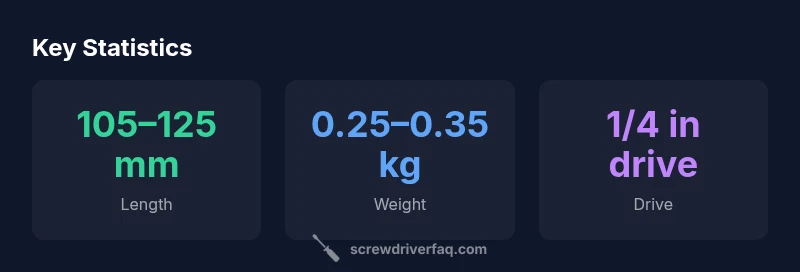
According to Screwdriver FAQ, the Wera Kraftform kompakt ratchet screwdriver represents a benchmark for compact, high-precision hand tools. Built around Wera's Kraftform ergonomic handle, it pairs a two-way ratchet with a compact blade length, delivering control in tight spaces common to electronics, cabinetry, or precision furniture assembly. The tool is aimed at DIY enthusiasts and professionals who frequently work in cramped environments and need reliable bit retention and repeatable torque. In practice, this model shines for tasks that demand steady, repeatable turning without reaching for a bulkier ratchet. For hobbyists upgrading from a basic screwdriver, the compact size reduces fatigue and improves throughput on repetitive fastenings. The Screwdriver FAQ team notes that the blend of grip comfort, compact geometry, and dependable mechanism makes it a credible all-rounder for small-scale projects and professional installs alike.
Ergonomics and grip design
The Kraftform grip is central to the tool’s appeal. The handle geometry supports natural finger placement, while the textured surface and soft-tack rubber reduce slip under oily or sweaty conditions. In practice, users report less hand fatigue on long sessions, which is especially valuable during electronics assembly, cabinetry adjustments, and furniture assembly where frequent bit changes occur. The balance point is carefully placed to minimize wrist strain, allowing steady turning force without sacrificing feedback. For technicians who work with precision fasteners, tactile cues from the grip help control the amount of torque delivered, reducing the risk of cam-out on delicate materials. The Screwdriver FAQ notes that ergonomics are not merely about comfort but about improving accuracy and consistency across tasks.
Size, reach, and versatility in small spaces
The compact form factor is a major selling point. Short overall length enables access to confined spaces such as cabinet corners, electronics chassis, and behind appliance panels. While the barrel remains slim, it still houses a reliable ratchet mechanism that can handle frequent turning without needing a larger tool. The design also integrates sensible bit storage and quick-access geometry so users can prep drives with minimal hand movement. In cramped installations, having a tool that can be maneuvered with one hand while maintaining control is a clear advantage. Because reach is often the limiting factor in tight spots, the kompakt designation matters, offering a balance between leverage and accessibility. DIYers should expect versatile use across tasks, from hinge screws to electronics mounting pivots.
The ratchet mechanism and bit system
Two-way engagement provides rapid direction changes without re-gripping. The mechanism typically features a smooth, positive click when the gear engages, giving immediate feedback on turning direction. The compact ratchet is designed to preserve torque while keeping the handle close to the workpiece, which helps in precise alignment. The bit system supports interchangeability with standard 1/4-inch hex bits, enabling a broad range of driver tips without switching tools. Reliability is key here: repeatable clicks and minimal backlash translate to fewer dropped screws and more consistent seating. In field use, users appreciate that the mechanism remains stable under moderate torque and responds predictably during fastener start-ups.
Bit compatibility, magnetism, and storage
A core strength is compatibility with common bit standards, allowing a flexible toolkit without a bulky handle. The design typically includes magnetized tips to hold bits securely when starting screws, reducing dropped bits in busy work areas. Bit retention is crucial for one-handed operation, especially when hands are occupied with guides or panels. Some variants incorporate a small bit holder within the handle or a shallow recess on the butt end, making it easier to carry a small subset of tips at a moment’s notice. The combination of magnetism and fit helps maintain workflow efficiency during repetitive tasks in cabinetry, electronics enclosures, and hardware installs.
Real-world performance tests: materials and tasks
In practical tests, the kompakt ratchet screwdriver shines in repeated, light-to-medium torque tasks. For electronics work, the soft-touch grip and precise control minimize the risk of over-driving delicate fasteners. In cabinet installations, it excels at aligning screws in tight corners and along narrow rails, where larger drivers struggle. The tool’s balanced weight distribution keeps user fatigue low during long sessions, which translates into more consistent results. When used on metal or hardwood, the torque is enough for most common fasteners without requiring a larger, more aggressive tool. Across tasks, the build quality supports a reliable sense of control and reduces the need to swap tools mid-project.
Comparisons with rivals: Wiha, Klein, and other top brands
When stacked against premium compact ratchets from leading brands, the Kraftform kompakt often wins on ergonomics and reach. Wiha models may offer similar grip quality but may have different bit retention characteristics, and Klein tools sometimes emphasize aggressive torque ranges that can be overkill in smaller projects. The Wera design typically prioritizes a balanced handshake between comfort and precision, making it a strong choice for electronics, cabinetry, and furniture assembly where tight spaces demand finesse as much as force. Your best choice will depend on whether you value a softer grip, quicker bit changes, or a broader bit ecosystem.
Maintenance, care, and longevity: when to replace
Keeping the tool clean and dry is basic but crucial. Wipe the handle and metal parts after exposure to dust or oils, and apply a light lubricant to the moving ratchet interface if you notice stiffness. Inspect the tip alignment regularly to ensure accurate seating and minimize cam-out. If the ratchet starts to feel sloppy or the grip loses its tackiness, it may be time to service or replace the bits. Proper storage in a dry, organized toolbox reduces rust and wear. Overall, with routine care, the kompakt ratchet screwdriver remains a dependable workhorse for years of service.
Pros
- Compact form factor fits into tight spaces
- Ergonomic Kraftform handle reduces hand fatigue
- Two-way ratchet with reliable return mechanism
- Interchangeable bits with integrated retention
- Durable construction and corrosion-resistant finish
Negatives
- Smaller size may limit torque on tougher fasteners
- Premium price point compared to basic drivers
- May require additional storage for a full bit kit
- Not intended for heavy industrial use
Best compact option for precise work in tight spaces
The Wera Kraftform kompakt ratchet screwdriver shines in access-limited tasks thanks to its ergonomic grip and dependable ratchet. It delivers smooth operation and reliable bit retention, which helps with consistent results during long sessions. The main trade-off is price and a torque ceiling that may not suit heavy-duty applications.
Quick Answers
Is the Kraftform kompakt ratchet screwdriver suitable for electronics work?
Yes, its compact size and precise control make it well-suited for electronics assembly and delicate fasteners. The ergonomic grip helps maintain steadiness during repetitive tasks.
Great for electronics work thanks to its compact size and precise control.
What makes the Kraftform grip different from standard handles?
The Kraftform grip is contoured to match hand shape with a textured surface that reduces slip, improving comfort and torque transfer during extended use.
The Kraftform grip fits your hand to reduce fatigue and improve control.
Can I replace bits easily with this model?
Yes. The screwdriver accepts standard bits, and most kits provide an accessible bit-change mechanism or storage within the handle to keep your tips organized.
You can swap bits quickly for different screws.
Is the ratchet reversible and easy to use in tight spots?
The two-way ratchet switches direction with a distinct click, enabling smooth changes without losing your grip in confined spaces.
Two-way ratchet is easy to flip without regripping.
What maintenance does it require?
Keep it clean and dry; lightly lubricate the ratchet mechanism if it feels stiff and inspect bits for wear over time.
Keep it clean and lightly oil the moving parts if needed.
How does this model compare to rivals like Wiha or Klein?
Compared to rivals, the Kraftform offers strong ergonomics and balanced performance for precision tasks, with differences mainly in grip feel, bit ecosystem, and price.
It stacks up well against top brands, especially for ergonomics and control.
The Essentials
- Choose compact Wera for tight-space fastening
- Rely on ergonomic Kraftform grip for reduced fatigue
- Ensure bit compatibility with your preferred tip types
- Weigh price against the benefit of precision in small tasks
- Maintain the tool to extend its life and performance